


Co-financed from the funds of the Ministry of Culture and National Heritage of the Republic of Poland under the Creative Industries Institute's own program: Development of Creative Sectors
Re-Engineering Sunlight
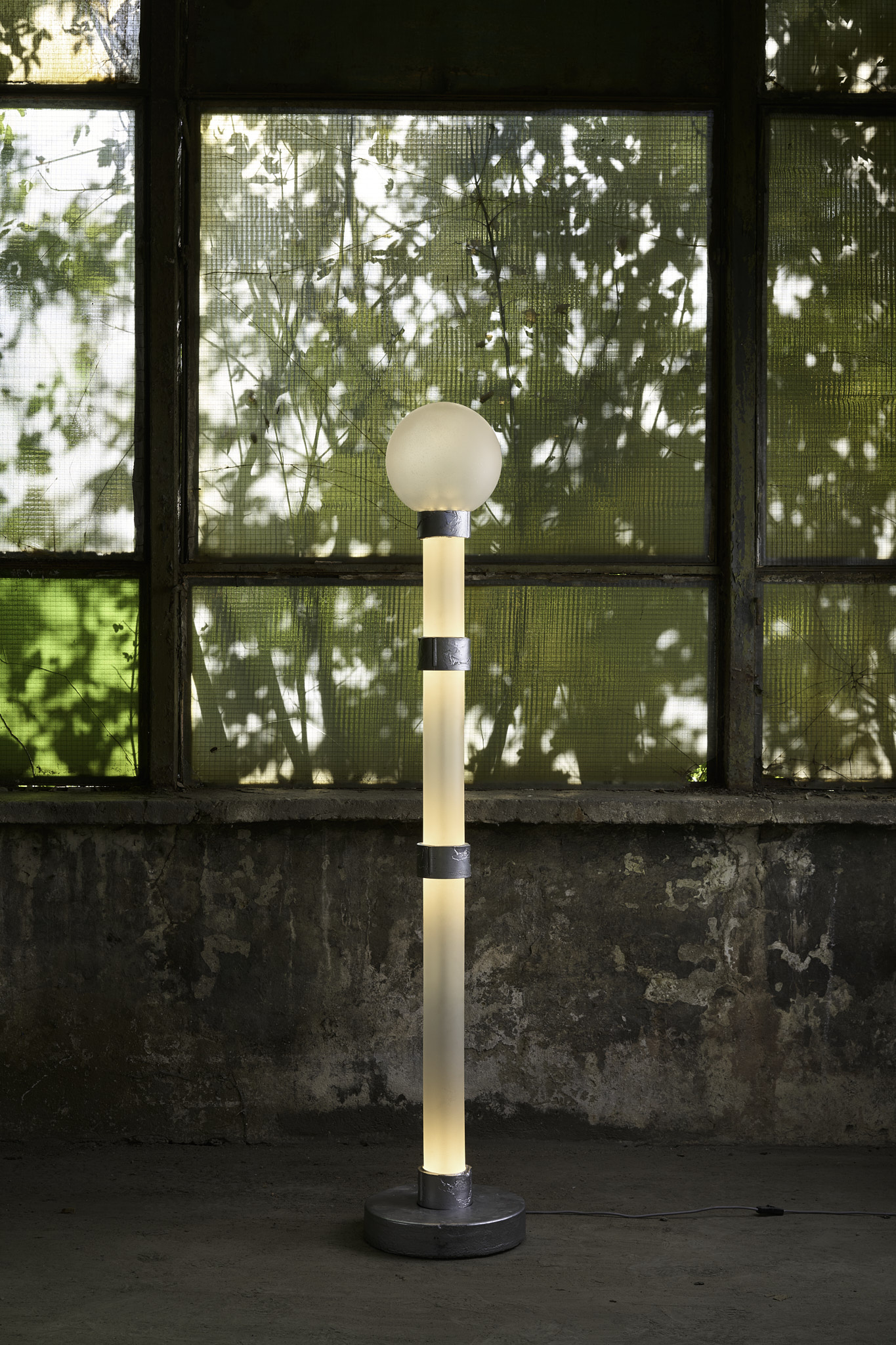
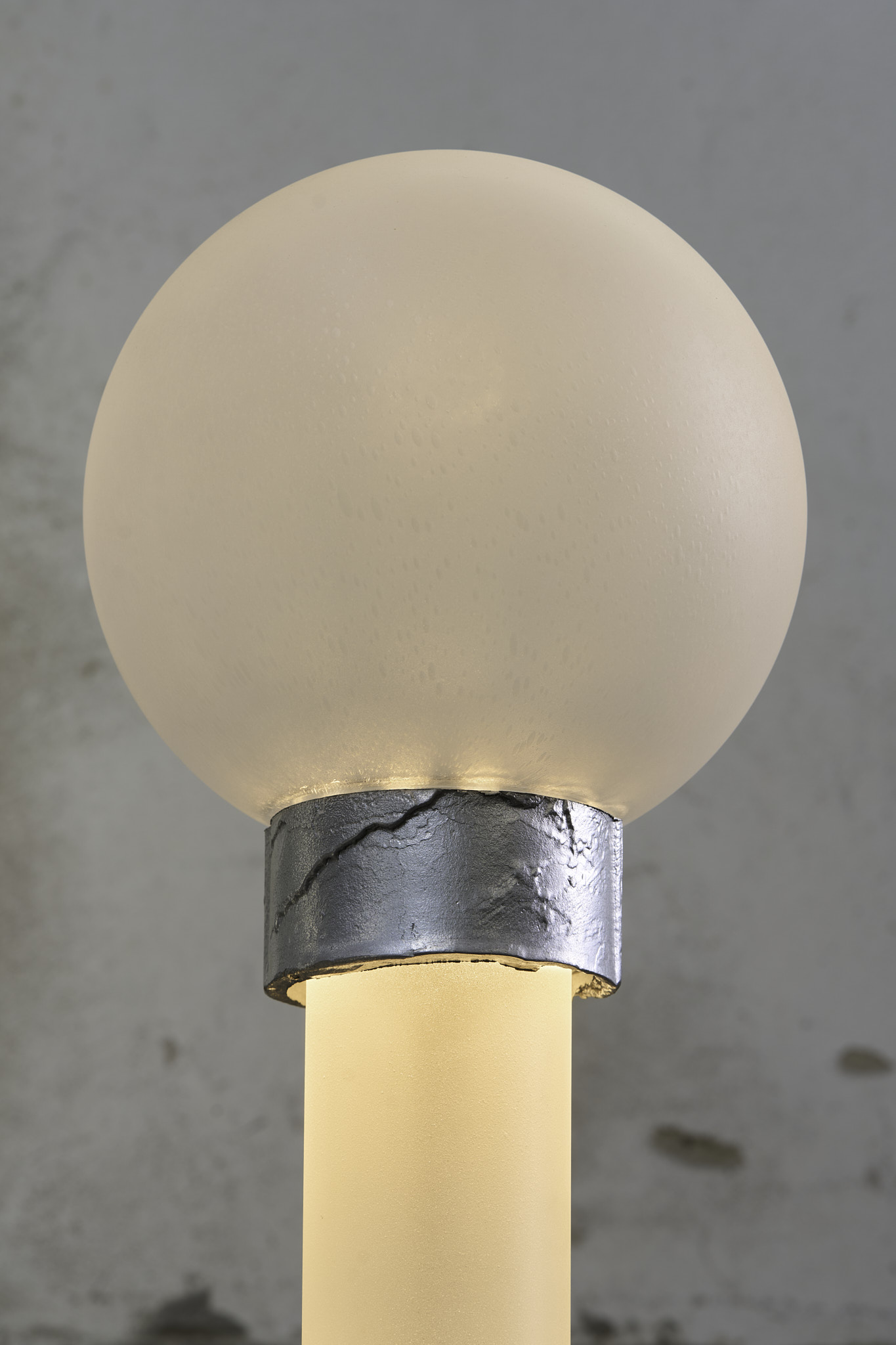
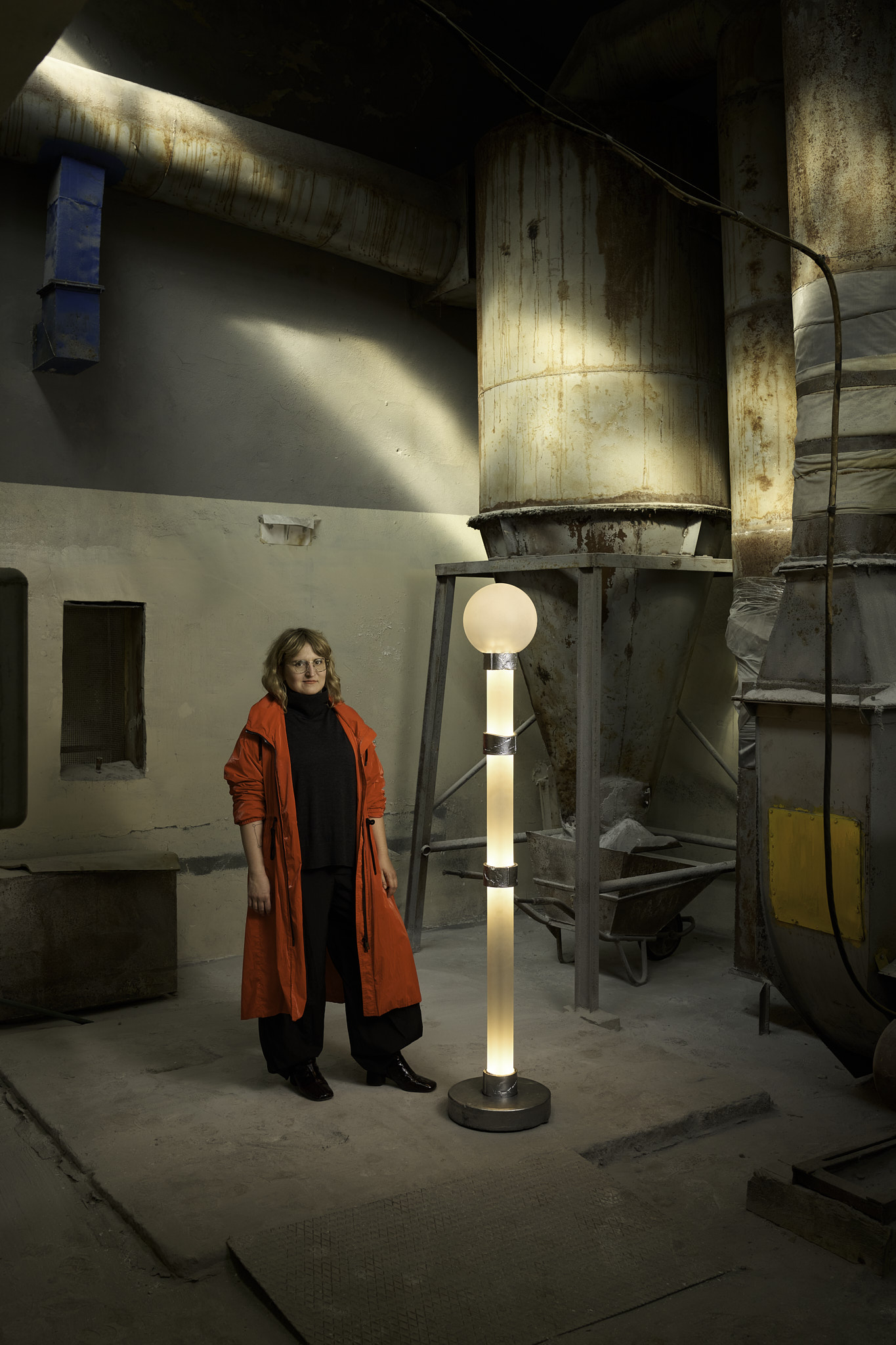
LumaFlora bridges plant photobiology with human-centric ergonomics. By replicating the continuous spectral integrity of incandescent light within an efficient LED architecture, it delivers more optimal photosynthetic energy without biological friction towards people.
Beyond artifitial illumination
Our research confirms that artificial light reaches its peak efficiency not as a total replacement for nature, but as a synergistic catalyst during periods of reduced ambient light. Designed specifically for autumn, winter, and low-exposure environments, LumaFlora acts as a bio-supplement, harmonizing with natural day cycles to achieve maximum photosynthetic yield.
3-week study of arugola plant growing under different light environments
18 cm
17 cm
16 cm
15 cm
14 cm
13 cm
12 cm
11 cm
10 cm
9 cm
8 cm
7 cm
6 cm
5 cm
4 cm
3 cm
2 cm
1 cm

Total exposure (EM)
Lighting intensity: 120 (µmol m⁻² s⁻¹)

Reduced exposure (EZ)
Lighting intensity: 60 (µmol m⁻² s⁻¹)
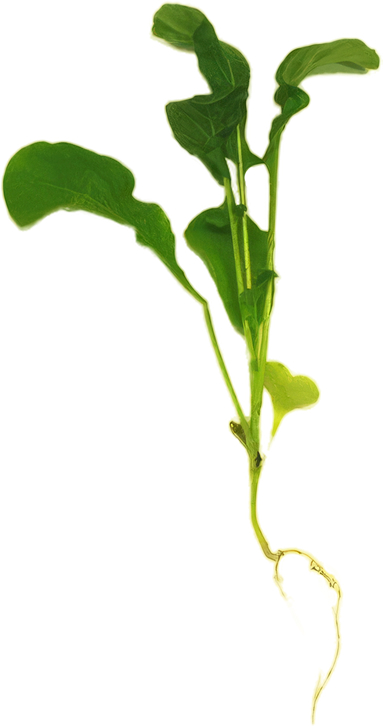
Reduced exposure + LumaFlora (ZE+LF)
Lighting intensity: 85 (µmol m⁻² s⁻¹)
Key Finding:
In comparative trials, plants supplemented with LumaFlora during partial natural light conditions (ZE+LF) outperformed all other test groups, exhibiting higher vitality and better biomass yield compared to total exposure or standalone artificial lighting.
Research by:
dr Aleksandra Staszak, Białystok University, Faculty of Biology
dr Agata Kostro-Ambroziak, Białystok University, Faculty of Biology
dr Agata Kostro-Ambroziak, Białystok University, Faculty of Biology
Engineered for Living Spaces
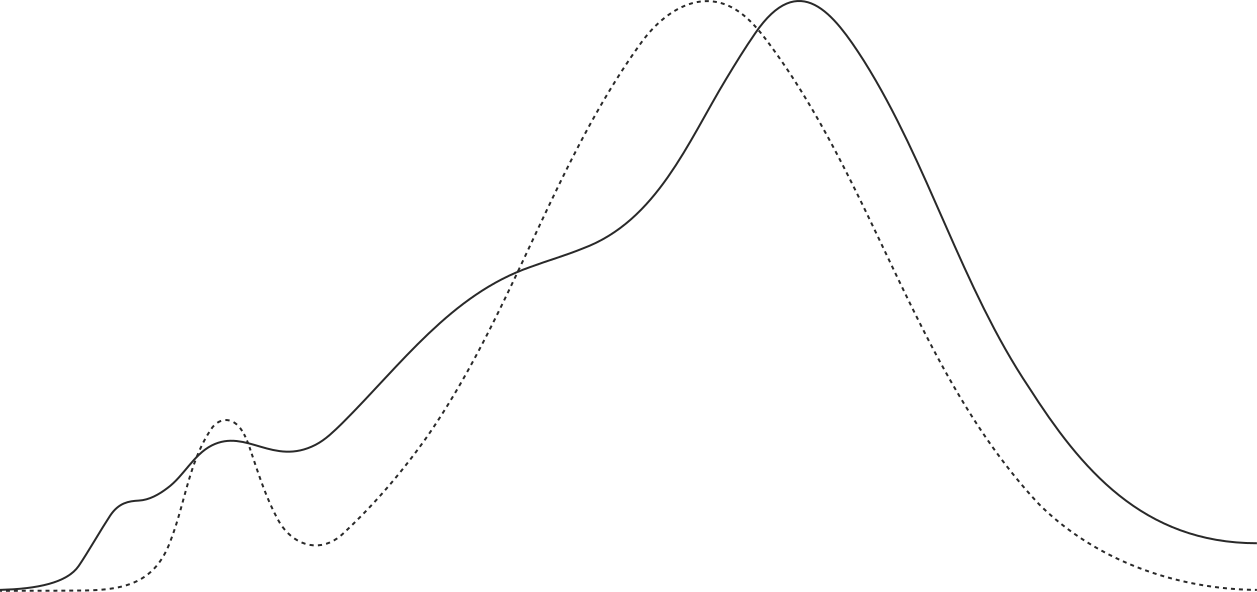
Plants don't live in isolation, they share our environments. Traditional grow lights produce harsh "blurple" or cold industrial tones that disrupt human circadian rhythms and degrade interior aesthetics. At the heart of LumaFlora’s optical design is a smoother, more continuous spectral curve extending gracefully into the far-red region.
Relative spectral irradiance [a.u.]
1,0
0,8
0,6
0,4
0,2
0,0
Key spectrum for
plant growth & flowering
plant growth & flowering
Key spectrum for
human circadian rhythm
human circadian rhythm
400
450
500
550
600
650
700
750

Common LED light
Wavelength [nm]
Light color is determined by wavelength
Key Finding:
Far-Red to Red Ratio (0,167): Nearly double that of conventional LEDs (0,086), supplying the precise light ratio needed to trigger phytochrome activity and accelerate flowering.
Dual-Photosystem Activation (Emerson Effect): By simultaneously stimulating Photosystem I (PSI) and Photosystem II (PSII), LumaFlora achieves a quantum efficiency synergy, driving photochemical conversion far beyond standard narrow-spectrum lights.
Circadian Rhythm Preservation: The continuous, warm-spectrum profile respects natural human melatonin regulation, making LumaFlora ideal for residential and office integration during dark winter months.
Suppressed Blue Light Hazard: By smoothing the spectrum across the cyan-green band (470-530 nm) and eliminating sharp 450 nm blue spikes, LumaFlora significantly reduces retinal photobiological risk.
Research by:
Dr hab. Inż. Karolina Sadowska, Białystok University of Technology
prof. PB, mgr inż. Maciej Zajkowski, Białystok University of Technology
prof. PB, mgr inż. Maciej Zajkowski, Białystok University of Technology


Photographed by:
Jan Szewczyk
Contact
Good design starts with a conversation. Let’s start one.
(feel free to reach out about projects, collaborations or questions)
(feel free to reach out about projects, collaborations or questions)
